
Hands at Work in the Alps: Lace, Wood, and Clay in Slovenia’s Villages
Set your hands in motion across Slovenia’s mountain villages, where bobbin lace whispers over pillows in Idrija and Železniki, chisels ring in alpine workshops from Bohinj to Drežnica, and wheels spin earthy pottery near glacial lakes. This guide invites you to learn directly from makers, breathe pine-scented air, sip mountain tea, and leave with skills, stories, and handmade pieces. Ask questions, join a class, and share your progress with our community so more curious travelers can craft their way through the high valleys.
Finding Craft Heartlands in the High Valleys

Where bobbins click in Idrija and Železniki
Idrija’s bobbin lace traveled from miners’ households to world exhibitions, yet it still begins with a pillow, pins, and the steady rhythm of hands. Nearby Železniki preserves patterns woven into local memory, taught by patient mentors who love beginners’ curiosity. Reserve a short session, practice a simple edging, and notice how counting, breath, and touch align. You will carry away not only a lace strip but the feeling of inherited skill passing gently, thread by thread, into your fingers.
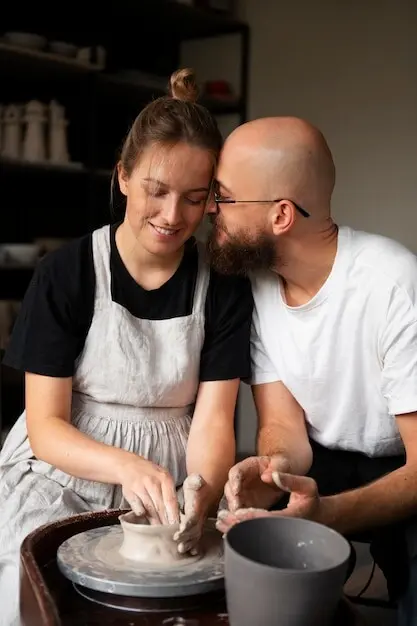
Woodcarvers of Bohinj, Tržič, and Drežnica
Between steep meadows and spruce forests, small workshops welcome learners to carve spoons, ornaments, and even carnival masks. In Bohinj, soft linden reveals curves under a sharp knife. Around Tržič, alpine motifs come alive with gouge and mallet. In Drežnica, mask makers shape fierce expressions for winter festivals, sharing stories of snow, bells, and bravery. Book ahead, respect the wood’s grain, and leave with a piece that remembers mountains, resin, and the quiet confidence of making something useful and beautiful.
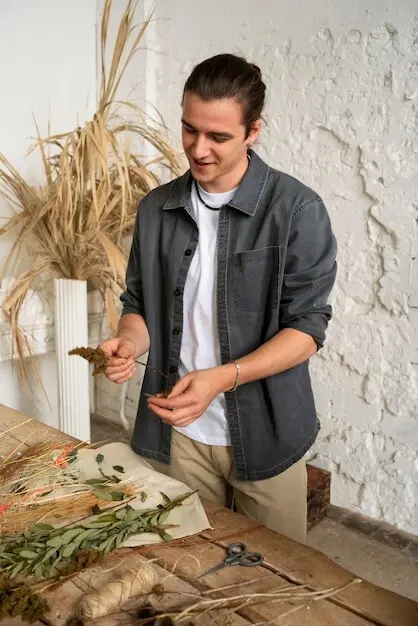
Potters by alpine waters in Gorenjska hamlets
Close to mirror-like lakes and glacial streams, potters reclaim clay’s humility and strength. Some throw bowls that cool summer berries, others build mugs for steaming winter herbs. You will learn to wedge, center, and lift walls without panic, guided by patient laughter. If the wheel feels daunting, handbuilding invites calm focus and textured freedom. Expect kiln talks, ash glazes inspired by forest stoves, and gentle critiques that make your second attempt noticeably better than the first, which already felt wonderfully alive.
Tools, setup, and posture for steady progress
Your teacher will introduce the pillow’s shape, the tension of threads, and the feel of bobbins warming against your palms. You will learn pin etiquette, how to keep pairs organized, and why posture matters for long, happy sessions. Light should fall from the correct side, shoulders stay loose, and wrists hover without strain. A tidy work rhythm prevents confusion, while a simple checklist anchors each repeat. When in doubt, breathe, reset alignment, and discover how clarity returns the moment your tools rest in balance.
Reading pricking patterns and beginning with Idrija tape
Patterns are quiet maps guiding you through turns and junctions. Instructors present symbols for crossings, tensions, and pin positions, then demonstrate Idrija tape, a flowing construction that builds confidence quickly. You will follow a curved path, secure edges, and shape gentle corners without panic. The secret lies in consistent hand pressure and a respectful pace. Soon your eyes anticipate the next move, transforming hesitation into rhythm. Photograph each stage to remember muscle memory later, because repetition strengthens understanding even when the pillow is packed away.
A remembered story that steadies nervous fingers
When hands feel clumsy, listen to a local story about a grandmother threading bobbins after night shift, humming while the town slept. Her quiet determination wrapped courage into lace, stitch by stitch. You inherit the same patience today. Pause for tea, reset, and try again. Your teacher will show a small rescue technique, proving that setbacks are simply detours. By honoring imperfection, you discover flow. Leave with your edging, a few spare threads, and a promise to continue tomorrow with more kindness than pressure.
Carving the Forest: Shaping Beech and Linden with Confidence
Woodcarving reveals the mountain’s character in every curl of shavings. In village workshops, safety sits beside creativity, and the first project feels both achievable and meaningful. You will learn to sketch forms on grain, choose tools that match tasks, and respect the wood’s conversation with your blade. Spoons, simple figurines, or hiking badges make perfect starters. Finishing with oils deepens color and smell, sealing hours of quiet focus. The forest’s patience becomes your own, and you leave lighter, holding something your hands convinced from timber.
Instructors encourage linden for softness and beech for resilience, both common in alpine stands. You will examine end rings like topographic lines, deciding where knives travel safely. Straight grain supports beginners, while knots demand caution and strategy. Moisture matters because damp wood tears, while overly dry stock splinters. Learn to orient your blank, sketch silhouettes with a soft pencil, and clamp thoughtfully to protect fingers. This simple preparation prevents frustration later, making each first cut confident rather than tentative, and every subsequent pass purposeful.
Your teacher demonstrates chest lever, paring, and pull cuts, then positions thumbs to anchor strength while reducing risk. Gouges ride the grain instead of biting against it, producing elegant ribbons instead of ragged chips. You will practice on scrap before touching your project, developing control and pace. A strop brightens edges, proving that sharp tools are safer. Expect frequent breaks to relax shoulders and review stance. Confidence grows gradually as your sketch turns into form, a small miracle staged through hundreds of steady, mindful motions.
Finishing transforms a good carving into a cherished object. You will progress through sanding grits, wipe away dust with a soft cloth, then massage warm oil that highlights grain like sunlight through leaves. Beeswax adds velvety sheen and a subtle forest scent. Instructors share traditional motifs—edelweiss petals, mountain peaks, shepherd patterns—inviting you to add a tasteful accent without clutter. Signing your work marks the journey as much as the result. When you finally polish the last curve, the piece quietly thanks your patience.
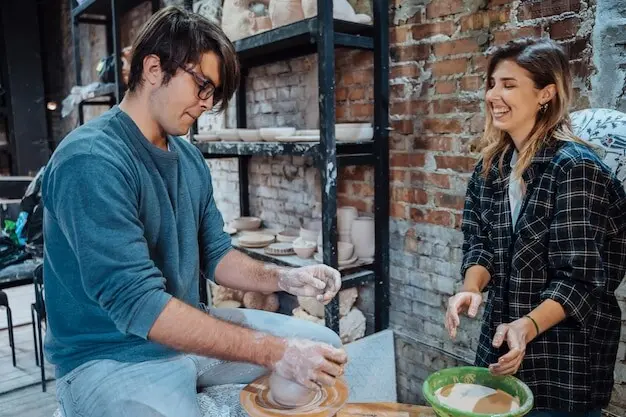
Clay and Fire: Pottery Lessons Between Peaks
Pottery in alpine studios balances calm process with elemental drama. Clay requires grounding; the wheel asks for centered breath; the kiln rewards thoughtful pacing. Teachers guide your hands to anchor elbows, align spin, and pull walls without panic. If throwing feels daunting, handbuilding builds confidence through coils and slabs. Glaze talks illuminate minerals, ash, and mountain colors. Opening a cooling kiln becomes a communal heartbeat, excited and soft. You carry your bowl home, imperfect yet deeply yours, remembering heat, patience, and the sound of silence.
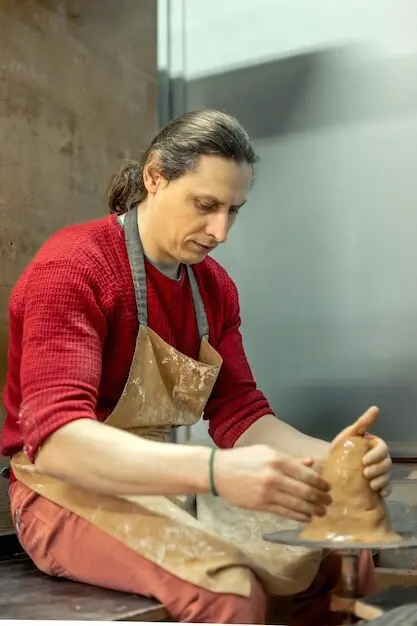
Centering the clay and breathing with the wheel
At first, the wheel feels fast and your hands unsure. Instructors slow everything down, helping you wet, coning up and down, and find the quiet point where wobble disappears. Wrists lock, elbows brace, and breath flows with speed. Gentle pressure lifts walls evenly rather than pulling chaos. The first collapse becomes a lesson, not a failure. Wedge fresh clay, try again, and feel muscle memory take root. By the third attempt, a small cylinder stands, humble and proud, ready for trimming tomorrow.
Handbuilding mugs that warm winter evenings
Coils, slabs, and pinching shape forms that carry comfort. You will roll even coils, compress seams, and smooth joins with a damp sponge, learning to avoid hidden air pockets. Handles deserve extra love—comfortable curves, thumb rests, and strong attachments that resist firing stress. Texture stamps inspired by pine cones and lace offcuts add alpine personality. Drying slowly under cloth prevents warping, while a bisque firing prepares surfaces for glaze. The final mug might be rustic, but it will taste like hearth, patience, and mountain evenings.
Kilns, firing schedules, and ash-kissed glazes
Whether electric or wood-fired, kilns translate intention into durable form. You will hear about ramps, soaks, cones, and why patience beats haste. Ash glazes echo old stoves, settling as soft greens or smoky grays across rims and shoulders. Teachers discuss stacking, witness cones, and safe handling when heat is invisible but fierce. Opening day brings gasps, laughter, and a few surprises. Uneven drips teach humility; perfect surfaces teach gratitude. Record notes for next time, because clay loves students who listen closely and return thoughtfully.
Stories in Thread, Wood, and Clay: Culture Interwoven
Craft in these mountains is more than production; it is memory made tangible. Lace once added income to households balancing mining, farming, and child-rearing. Woodcarving equipped shepherds and decorated chapels, while pottery kept kitchens warm through alpine winters. Learning beside artisans reveals how objects carry song, labor, humor, and prayer. When you try a stitch, carve a spoon, or pull a bowl, you join a lineage rather than chase a souvenir. Respect this continuity, and it will greet you kindly, again and again.

Practicalities: Seasons, Gear, Booking, and Local Etiquette
Mountain rhythms shape workshop schedules, so plan with weather, daylight, and festivals in mind. Summer brings open roads and longer classes, while winter offers candlelit coziness and mask carving traditions. Book early, confirm language support, and ask about materials. Wear layers, pack curiosity, and arrive a little before start time. Greet politely, learn names, and listen as much as you speak. Take photos only with permission, tip when appropriate, and share results online while crediting teachers. These small kindnesses turn short lessons into lasting friendships.
Carry It Forward: Care, Community, and Next Steps
Leaving the valley does not end your practice; it begins a new phase. Protect fragile pieces properly, reflect on what you learned, and choose one technique to continue weekly. Seek beginner-friendly tools, join online meetups, and follow Slovenian makers for ongoing inspiration. Share your attempts, because teaching others clarifies your skills. Return for seasonal workshops, deepening both craft and friendships. And if our stories and guides help, subscribe for upcoming itineraries, makers’ interviews, and small challenges designed to keep your hands moving with joy and purpose.

All Rights Reserved.